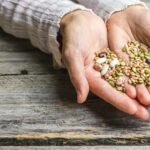

Seeds have become a popular addition to modern diets, especially among people looking to improve their overall health, support hormonal balance and maintain better nutrition. From chia and flaxseeds to pumpkin and sunflower seeds, these tiny nutritional powerhouses are often called super seeds because they contain essential nutrients such as fibre, healthy fats, protein, vitamins and minerals.
One trend that has gained particular attention on social media is seed cycling—a dietary practice that involves eating specific seeds during different phases of the menstrual cycle. Supporters believe it may help regulate hormones, improve menstrual health and reduce symptoms associated with hormonal changes.
But are seed cycling and super seeds genuinely beneficial, or are some of these claims exaggerated? Let’s explore the science behind them.
What Is Seed Cycling?
Seed cycling is a dietary practice in which women consume different combinations of seeds during the two main phases of their menstrual cycle.
The traditional approach divides the menstrual cycle into two phases:
1. Follicular Phase (Day 1–14)
This phase begins on the first day of menstruation and continues until ovulation.
During this period, seed cycling recommends consuming:
Flaxseeds
Pumpkin seeds
Flaxseeds contain lignans, which are plant compounds that can interact with oestrogen metabolism. Pumpkin seeds provide zinc, magnesium and healthy fats.
2. Luteal Phase (Day 15–28)
This phase begins after ovulation and continues until the next menstrual period.
The commonly recommended seeds are:
Sesame seeds
Sunflower seeds
Sesame seeds contain lignans and minerals, while sunflower seeds provide vitamin E, healthy fats and other nutrients.
These quantities and timings are commonly suggested by seed-cycling advocates, but they are not established medical guidelines. Menstrual cycles also vary in length, so a fixed 28-day schedule may not suit everyone.
What Are Super Seeds?
Super seeds are nutrient-dense edible seeds that provide several important nutrients in relatively small quantities. They can easily be added to everyday meals, smoothies, breakfast bowls and snacks.
Here are some popular options and their nutritional benefits.
1. Flaxseeds
Flaxseeds are rich in plant-based omega-3 fatty acids, particularly alpha-linolenic acid (ALA), dietary fibre and lignans.
Potential benefits include:
Supporting heart health as part of a balanced diet.
Helping maintain healthy bowel movements through their fibre content.
Providing plant-based omega-3 fats.
Contributing lignans, which have antioxidant properties.
Ground flaxseeds are generally easier to digest than whole seeds because their nutrients are more accessible.
2. Chia Seeds
Chia seeds have gained popularity because of their impressive fibre content and versatility.
They contain:
Omega-3 fatty acids.
Soluble and insoluble fibre.
Plant-based protein.
Calcium, magnesium and phosphorus.
Their ability to absorb water and form a gel can help increase meal fullness. Their fibre content may also support digestion and bowel regularity.
Soaked chia seeds can be added to smoothies, yoghurt, overnight oats and puddings.
3. Pumpkin Seeds
Pumpkin seeds are an excellent source of magnesium, zinc, iron and plant-based protein.
Potential benefits include:
Supporting normal immune function through zinc.
Contributing to muscle and nerve function through magnesium.
Providing protein and healthy fats.
Supporting overall nutritional balance.
They make a convenient snack and can be sprinkled over salads, soups and roasted vegetables.
4. Sunflower Seeds
Sunflower seeds are particularly rich in vitamin E, an antioxidant that helps protect cells from oxidative damage.
They also provide:
Healthy unsaturated fats.
Protein.
Magnesium.
Selenium and other minerals.
Adding sunflower seeds to a balanced diet can help increase vitamin E intake and provide useful nutrients for everyday health.
5. Sesame Seeds
Sesame seeds are widely used in Indian cooking and are valued for their mineral content.
They contain:
Calcium.
Iron.
Magnesium.
Healthy fats.
Plant compounds called lignans.
Sesame seeds can be included in chutneys, podis, laddoos, vegetable dishes and traditional sweets.
Does Seed Cycling Really Balance Hormones?
This is one of the biggest claims associated with seed cycling.
The theory suggests that certain seeds contain nutrients and plant compounds that may influence hormone metabolism. For example, flaxseeds contain lignans, which can interact with oestrogen-related processes in the body.
However, there is currently insufficient high-quality scientific evidence to prove that seed cycling reliably balances hormones, regulates menstrual cycles or treats conditions such as PCOS and PMS.
It is important to distinguish between the nutritional benefits of seeds and the specific claims made about seed cycling.
Eating seeds regularly can contribute to a healthy diet. However, following a particular seed schedule has not been proven to produce predictable hormonal changes.
Potential Benefits of Including Seeds in Your Daily Diet
Even without following a seed-cycling routine, regularly eating a variety of seeds can offer several nutritional benefits.
1. Better Digestive Health
Seeds such as chia and flaxseeds contain dietary fibre, which supports bowel regularity and digestive health. Increasing fibre intake gradually and drinking enough water can help avoid discomfort.
2. Heart Health
Flaxseeds and chia seeds provide plant-based omega-3 fatty acids. Their fibre and unsaturated fats can contribute to a heart-healthy eating pattern.
3. Improved Nutrient Intake
Seeds provide important nutrients, including magnesium, zinc, iron, calcium and vitamin E. They are particularly useful additions to vegetarian and plant-based diets.
4. Better Meal Satisfaction
The combination of fibre, protein and healthy fats can help meals feel more satisfying and may support appetite management.
5. Antioxidant Support
Several seeds contain antioxidant compounds, including vitamin E and lignans, which help protect cells against oxidative stress.
How to Include Super Seeds in Your Everyday Diet
You do not need an expensive diet plan or complicated preparation to enjoy the benefits of seeds.
Here are some simple ideas:
Add ground flaxseeds to breakfast porridge or oats.
Mix soaked chia seeds into curd or smoothies.
Sprinkle pumpkin and sunflower seeds over salads.
Add sesame seeds to vegetable stir-fries and chutneys.
Prepare homemade seed laddoos using moderate amounts of jaggery.
Combine different seeds in homemade trail mixes.
For most people, starting with small portions and gradually increasing intake is a sensible approach. A tablespoon or two of mixed seeds per day can be a practical starting point, depending on individual dietary needs.
Are There Any Side Effects or Precautions?
Although seeds are nutritious, eating excessive quantities may cause digestive discomfort.
A few precautions are worth remembering:
Digestive discomfort: Suddenly consuming large amounts of fibre may cause bloating, gas or abdominal discomfort.
Allergies: Sesame and other seeds can trigger allergic reactions in sensitive individuals.
Calorie intake: Seeds are energy-dense, so large portions can add considerable calories.
Medication interactions: People taking regular medication, particularly those with conditions affecting blood clotting or blood sugar, should discuss substantial dietary changes with their healthcare professional.
Chia seed preparation: Avoid swallowing large quantities of dry chia seeds, especially if you have difficulty swallowing. Soaking them first is a safer option.
Flaxseed preparation: Ground flaxseeds are generally easier to digest than whole flaxseeds. Store them properly to maintain freshness.
Women with irregular periods, severe menstrual pain or symptoms of PCOS should not rely on seed cycling as a replacement for medical evaluation or treatment.
Seed Cycling vs Eating Mixed Seeds: Which Is Better?
Both approaches can help increase nutrient intake, but they serve slightly different purposes.
Seed cycling follows a specific schedule based on menstrual-cycle phases, while eating mixed seeds focuses on obtaining a variety of nutrients throughout the month.
At present, there is no strong scientific evidence that seed cycling offers additional hormonal benefits compared with simply including different seeds in a balanced diet.
For general health, regularly eating a variety of seeds is a practical and evidence-aligned choice.
Seed cycling and super seeds have attracted attention as natural approaches to improving nutrition and supporting hormonal health. While seeds such as flax, chia, pumpkin, sunflower and sesame offer genuine nutritional benefits, claims that seed cycling can reliably balance hormones or treat menstrual disorders are not yet supported by strong scientific evidence.
The best approach is to treat seeds as nutritious additions to a balanced diet rather than as miracle foods or hormonal treatments.
Whether you sprinkle them over breakfast, mix them into smoothies or include them in traditional Indian recipes, these tiny ingredients can make a meaningful contribution to everyday nutrition. Consistency, variety and moderation matter far more than following a complicated seed schedule.
Image Credits : Image by wirestock from Freepik