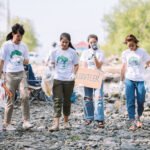

Imagine travelling to a beautiful destination, experiencing a new culture, meeting people from different backgrounds and contributing something meaningful to the local community. Instead of spending your entire holiday sightseeing, you dedicate part of your time to helping others and supporting local initiatives.
This concept is known as voluntourism, a combination of volunteering and tourism. It is gaining attention among travellers who want their holidays to offer more than photographs and sightseeing experiences.
From teaching basic skills and supporting environmental conservation to helping community development projects, voluntourism offers opportunities to explore the world while contributing to meaningful causes.
But is it really possible to travel the world and make a positive difference? Let’s understand how voluntourism works, its benefits, challenges and how to choose responsible volunteering opportunities.
What Is Voluntourism?
Voluntourism refers to travelling to a destination and participating in voluntary activities as part of the travel experience.
Unlike traditional tourism, where the main focus is sightseeing and relaxation, voluntourism combines travel with community service, environmental activities or social development initiatives.
Depending on the programme, travellers may spend a few hours, several days or even weeks volunteering.
Some common voluntourism activities include:
Teaching English or other basic skills through established educational programmes.
Participating in beach and forest clean-up activities.
Supporting wildlife conservation projects.
Helping with community development initiatives.
Assisting in food distribution programmes.
Participating in environmental awareness campaigns.
Supporting sustainable farming and rural development.
The main objective is to combine cultural exploration with responsible contributions to the places people visit.
Why Is Voluntourism Becoming Popular?
Modern travellers are increasingly interested in experiences that create personal connections and lasting memories. Many want to understand local lifestyles rather than simply visit popular tourist attractions.
Several factors are contributing to the popularity of voluntourism.
1. Meaningful Travel Experiences
Many travellers want their holidays to have a purpose. Volunteering provides an opportunity to contribute to a cause while experiencing a destination in a different way.
2. Cultural Exchange
Voluntourism allows travellers to interact with local communities, understand their traditions and learn about different lifestyles.
These interactions can provide insights that ordinary sightseeing may not offer.
3. Personal Growth
Working with people from different backgrounds can develop communication, teamwork, adaptability and problem-solving skills.
It may also help travellers become more aware of social and environmental challenges.
4. Environmental Awareness
Climate change, pollution and biodiversity loss have encouraged more travellers to consider environmental responsibility.
Conservation volunteering offers opportunities to learn about local ecosystems and support legitimate environmental initiatives.
5. A Different Kind of Adventure
For people who enjoy exploring unfamiliar places, volunteering can add a new dimension to travel. It combines exploration, learning and practical activities.
Different Types of Voluntourism Experiences
Voluntourism is not limited to one particular activity. There are several ways travellers can contribute depending on their interests, skills and the needs of the destination.
1. Environmental Conservation
Environmental volunteering is one of the most common forms of voluntourism.
Travellers may participate in beach clean-ups, tree planting, habitat restoration, waste management campaigns and biodiversity monitoring.
These activities can help support local conservation organisations and increase awareness about environmental protection.
2. Community Development
Some programmes allow volunteers to support community initiatives in rural and underserved areas.
Activities may include helping with community gardens, improving public spaces, assisting local development projects and supporting skill-building programmes.
The projects should be designed and led by local communities rather than imposed by visiting volunteers.
3. Education and Skill Development
Travellers with suitable qualifications and experience may support educational programmes through recognised organisations.
Depending on local requirements, volunteers may assist with language learning, digital literacy, sports activities or vocational training.
Teaching roles involving children should require appropriate qualifications, background checks and safeguarding procedures.
4. Wildlife Conservation
Wildlife-focused volunteering may involve habitat restoration, responsible wildlife monitoring, data collection and conservation awareness.
Travellers should carefully research these programmes to ensure that animals are not disturbed or exploited for tourism.
5. Healthcare Support
Qualified healthcare professionals may participate in approved medical outreach and public health initiatives.
However, healthcare volunteering requires appropriate qualifications, professional supervision and compliance with local regulations. Unqualified visitors should never perform medical procedures or provide unsupervised clinical care.
Popular Voluntourism Destinations Around the World
Several destinations offer opportunities to combine travel with community and environmental initiatives.
1. Costa Rica
<escape>Costa Rica</escape> is known for biodiversity and conservation efforts. Visitors can explore opportunities involving rainforest restoration, wildlife monitoring and environmental education through established organisations.
2. Nepal
Nepal offers opportunities connected with community development, environmental conservation and education. Volunteers can also experience its mountain landscapes and cultural heritage.
3. Thailand
Some responsible programmes in Thailand focus on marine conservation, environmental education and community initiatives. Travellers should be particularly careful about wildlife tourism projects involving elephants and other animals.
4. South Africa
South Africa has conservation initiatives involving habitat protection, environmental research and community development. Always check the credentials and practices of the organisation before participating.
5. India
India offers opportunities across rural development, environmental protection, education and social welfare.
Travellers can explore locally led initiatives in areas such as Rajasthan, Uttarakhand, Kerala, Himachal Pradesh and other regions.
Voluntourism in India: Opportunities Closer to Home
International travel is not necessary to experience voluntourism. India itself offers many opportunities to combine travel with meaningful community engagement.
Some examples include:
Participating in organised beach clean-ups in coastal destinations.
Supporting local environmental conservation initiatives in the Western Ghats.
Joining responsible waste management and recycling campaigns.
Contributing to community-led rural development projects.
Supporting established organisations working in education and skill development.
Participating in local tree-planting and habitat restoration programmes.
For example, a traveller visiting Kerala could look for a community-led environmental initiative alongside exploring its backwaters and coastal attractions.
Similarly, someone visiting Rajasthan could explore opportunities to support local heritage conservation or community development initiatives.
The important thing is to work with credible organisations that understand local needs and respect community priorities.
Benefits of Voluntourism
When properly planned and responsibly managed, voluntourism can offer several benefits.
For travellers:
Provides opportunities to learn new skills.
Encourages cultural understanding.
Creates meaningful travel experiences.
Develops communication and teamwork abilities.
Builds awareness of environmental and social issues.
For local communities:
Can provide additional support to established initiatives.
Encourages cultural exchange.
May help generate income through local accommodation, transport and services.
Can bring attention to community-led conservation and development work.
However, these benefits are not automatic. They depend on the quality of the programme, the suitability of volunteers and whether local communities genuinely benefit.
The Dark Side of Voluntourism: What Travellers Should Know
Although voluntourism sounds positive, not every volunteering programme creates meaningful benefits.
Some poorly managed programmes can unintentionally harm the communities or environments they claim to support.
1. Exploitation of Vulnerable Communities
Some organisations use poverty or difficult living conditions as a marketing strategy to attract tourists.
Local people should never be treated as tourist attractions. Their dignity, privacy and independence must be respected.
2. Unqualified Volunteers
Certain activities require professional training and experience. Unqualified visitors should not take on responsibilities involving healthcare, construction safety, childcare or specialised education.
3. Orphanage Tourism Concerns
Short-term volunteering in orphanages can expose vulnerable children to repeated emotional attachments and disruptions.
Responsible travellers should avoid programmes that encourage casual access to children or use orphanages as tourist attractions.
4. Wildlife Exploitation
Some wildlife volunteering programmes advertise close contact with animals, including opportunities to feed, touch or take photographs with them.
Such activities may harm animal welfare. Choose conservation programmes that prioritise natural behaviour, habitat protection and qualified supervision.
5. Lack of Long-Term Impact
A short-term volunteer project may look impressive but fail to address the actual needs of a community.
Sustainable programmes should have clear objectives, local leadership and long-term plans.
How to Choose a Responsible Voluntourism Programme
Before paying for a volunteering opportunity, research the organisation carefully.
Here are some important things to consider:
1. Check the Organisation’s Background
Look for established organisations with a transparent history, clear leadership and verifiable projects.
2. Understand the Actual Work
Ask what volunteers will do, how much time they will spend volunteering and what skills are required.
3. Look for Local Leadership
The programme should be developed with the local community, not simply designed to attract foreign or domestic tourists.
4. Check Where Your Money Goes
Understand the programme fees and how they are used. Ask whether the money supports local staff, accommodation, transport, materials or community projects.
5. Verify Safety Measures
Check accommodation standards, insurance requirements, emergency arrangements and volunteer supervision.
6. Avoid Unrealistic Promises
Be cautious of organisations promising that a few days of volunteering will transform an entire village or rescue large numbers of animals.
7. Respect Local Culture
Learn about local customs, dress codes, language and community expectations before arriving.
Is Voluntourism Suitable for Everyone?
Voluntourism can be suitable for students, working professionals, families and experienced travellers, but the right programme depends on individual circumstances.
Students may benefit from structured environmental or skill-development programmes.
Working professionals can contribute specialised knowledge through appropriate projects.
Families may participate in age-appropriate environmental activities, provided the programme is safe and suitable for children.
Retired individuals may have valuable experience to share through mentoring and community initiatives.
However, volunteering should never replace paid local workers or take responsibilities away from qualified professionals.
How to Start Your Voluntourism Journey
If you are interested in combining travel with volunteering, begin with a small and well-researched opportunity.
Choose a cause that genuinely interests you.
Identify organisations working in that area.
Research their credibility and community impact.
Understand the skills and time commitment required.
Compare programme fees and travel expenses.
Check safety, insurance and accommodation arrangements.
Prepare to learn from the local community rather than assume you know what it needs.
You do not need to travel to another country or spend several months volunteering. Even a short, locally organised activity can be meaningful when it supports a genuine community need.
Voluntourism offers a different way to explore the world by combining travel, cultural exchange and volunteering. It can help travellers develop new perspectives while supporting environmental and community initiatives.
However, meaningful voluntourism is not simply about travelling to a place and offering help. It is about understanding local needs, respecting communities and contributing responsibly.
Before choosing a programme, research the organisation, understand its impact and make sure your participation genuinely benefits the people or environment involved.
The best travel experiences are not always measured by the number of places visited or photographs taken. Sometimes, the most memorable journeys are those that allow us to learn, connect and leave a positive contribution behind.
Image Credits : Image by partystock from Freepik