

Hair oiling is one of the most popular hair care practices, especially in traditional beauty routines. Many people apply oil regularly expecting soft, smooth, and healthy hair. However, despite oiling frequently, some still experience dryness, rough texture, frizz, or brittle hair.
The reason is that hair dryness is not always caused by lack of oil alone. Several other factors like scalp health, hair damage, hydration, product buildup, and lifestyle habits can also affect hair texture.
Oiling Does Not Replace Moisture
One common misunderstanding is that oil and moisture are the same thing.
In reality:
- Oil helps lock moisture into the hair
- It does not fully hydrate dry hair on its own
If hair lacks moisture internally, simply applying oil may not completely solve dryness.
Using Too Much Oil
Applying excessive oil can sometimes create buildup on the scalp and hair.
This may lead to:
- Heavy hair
- Difficulty cleaning the scalp
- Dull appearance
- Product residue
Balanced oiling is usually more effective than over-oiling.
Wrong Hair Products
Harsh shampoos and chemical-heavy products can strip natural oils from the hair.
Common causes include:
- Sulfate-heavy shampoos
- Excessive heat styling
- Frequent chemical treatments
Even after oiling, these factors may continue causing dryness.
Overwashing the Hair
Washing hair too frequently can remove natural scalp oils.
This may result in:
- Dry scalp
- Frizzy hair
- Increased roughness
A gentle and balanced washing routine is important for maintaining healthy hair.
Heat Damage
Frequent use of:
- Hair dryers
- Straighteners
- Curling tools
can weaken hair strands and reduce moisture levels.
Oil alone may not fully repair damage caused by excessive heat exposure.
Lack of Hydration and Nutrition
Hair health is closely connected to overall body health.
Poor hydration and nutrition may contribute to:
- Dry hair
- Weak hair strands
- Hair fall
- Reduced shine
Drinking enough water and eating balanced meals can support healthier hair naturally.
Product Buildup on the Scalp
Sometimes oil mixes with dirt, sweat, and styling products, creating buildup.
This may affect:
- Scalp health
- Hair softness
- Hair texture
Proper cleansing is important to maintain a healthy scalp environment.
Weather and Environmental Factors
Weather changes can also impact hair condition.
Dryness may increase due to:
- Hot weather
- Pollution
- Hard water
- Excess sun exposure
Environmental damage can make hair feel rough even after oiling.
Damaged Hair Ends
Split ends and damaged hair shafts cannot always be repaired by oil alone.
Signs of damaged hair include:
- Frizziness
- Rough texture
- Breakage
- Uneven ends
Regular trimming may help improve overall hair appearance.
Scalp Health Matters
Healthy hair starts with a healthy scalp.
Scalp problems like:
- Dry scalp
- Dandruff
- Irritation
- Product buildup
can affect hair quality and make it feel dry.
Taking care of the scalp is just as important as caring for the hair strands.
Simple Tips for Softer and Healthier Hair
Helpful habits include:
- Using mild shampoos
- Avoiding excessive heat styling
- Drinking enough water
- Eating nutritious foods
- Oiling in moderation
- Keeping the scalp clean
- Trimming damaged ends regularly
Consistency matters more than using too many products.
Hair can still feel dry after oiling because dryness is influenced by many factors beyond oil alone. Hydration, scalp health, product choices, heat exposure, diet, and overall hair care habits all play important roles in maintaining soft and healthy hair.
Instead of depending only on oiling, focusing on balanced hair care and overall wellness often leads to better long-term hair health.
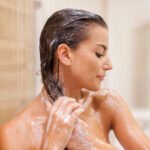
Image credits : Image from Freepik
Other Articles

Simple Ways to Prevent Workout Burnout
Why Your Skin Looks Dull Even After Skin Care




No Comment! Be the first one.