


In a world filled with busy schedules, constant notifications, and everyday responsibilities, travel is becoming more than just a way to explore new places. Many people are choosing wellness tourism to slow down, relax, and reconnect with themselves. From peaceful mountain retreats to yoga sessions by the sea, wellness travel offers opportunities to step away from daily routines and focus on overall well-being.
Whether it involves meditation, spa treatments, nature walks, or a digital detox, wellness tourism encourages travelers to make relaxation an essential part of their journey.
What Is Wellness Tourism?
Wellness tourism refers to travel experiences designed to support relaxation, healthy habits, and overall well-being. Unlike traditional vacations that focus mainly on sightseeing and entertainment, wellness trips often include activities that encourage rest, mindfulness, and a healthier lifestyle.
These experiences can range from yoga retreats and meditation programs to nature-based holidays, wellness resorts, and traditional healing practices. Travelers can choose structured retreats or simply visit peaceful destinations where they can unwind at their own pace.
Why Is Wellness Tourism Becoming Popular?
Modern lifestyles often involve long working hours, screen time, and limited opportunities for rest. As a result, many travelers are looking for vacations that help them disconnect from everyday pressures.
Wellness tourism offers several potential benefits:
Relaxation: Peaceful surroundings and unhurried schedules can provide a break from daily routines.
Mindfulness: Yoga and meditation encourage people to pay attention to the present moment.
Connection with nature: Mountains, forests, beaches, and countryside settings offer opportunities to spend more time outdoors.
Healthier habits: Travelers may use their trips to explore movement, nutritious food, and consistent sleep routines.
Digital balance: Reducing screen time can create more opportunities for meaningful conversations and personal reflection.
Although wellness trips can support relaxation, they are not a substitute for medical or mental health treatment when needed.
Best Destinations for Wellness Tourism in India
India offers a wide range of wellness experiences, combining natural landscapes, yoga traditions, meditation centers, and opportunities for quiet reflection.
1. Rishikesh, Uttarakhand
Rishikesh is widely associated with yoga, meditation, and spiritual retreats. Located beside the Ganges and surrounded by the Himalayan foothills, it attracts travelers interested in yoga classes, meditation programs, and peaceful riverside experiences.
Visitors can choose from organized retreats or create a relaxed itinerary featuring nature walks, yoga sessions, and time away from digital distractions.
2. Kerala
Kerala is known for its lush landscapes, backwaters, beaches, and traditional Ayurveda-based wellness experiences. Destinations such as Kovalam and Varkala offer coastal settings for relaxation, yoga, and wellness stays.
Travelers interested in Ayurveda should choose reputable practitioners and licensed facilities, especially when treatments involve medicines or intensive therapies.
3. Coorg, Karnataka
With its green hills, coffee plantations, forest surroundings, and quieter homestays, Coorg can be a good choice for travelers seeking a nature-focused break.
A wellness-inspired visit might include gentle walks, unhurried mornings, local food, and time spent enjoying the scenery without following a packed sightseeing schedule.
4. Dharamshala, Himachal Pradesh
Dharamshala and nearby McLeod Ganj attract visitors interested in meditation, Tibetan culture, contemplative practices, and mountain scenery.
The peaceful surroundings and opportunities to explore meditation programs make the region appealing to people looking for a slower, more reflective travel experience.
5. Auroville, Tamil Nadu
Near Puducherry, Auroville offers opportunities to explore community-based living, nature, meditation, and selected wellness activities. Visitors can learn about alternative lifestyles and participate in activities offered by individual centers.
Checking visitor requirements and booking activities in advance can help make the experience more comfortable.
Yoga Retreats: Finding Balance Through Movement
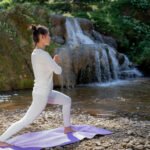
Yoga retreats are a popular part of wellness tourism because they combine physical movement, breathing exercises, and relaxation. Depending on the program, participants may attend daily yoga classes, guided meditation sessions, workshops, or nature activities.
You do not need to be an experienced yoga practitioner to benefit from a retreat. Many centers offer beginner-friendly sessions, although it is important to choose a program that matches your fitness level and any physical limitations.
A good yoga retreat should allow time for rest rather than filling every hour with activities. The goal is to enjoy the experience without turning relaxation into another demanding schedule.
Digital Detoxes: Taking a Break From Screens
Smartphones make travel planning and communication easier, but constant notifications can distract us from the places and people around us. A digital detox involves intentionally reducing screen use for a period of time.
A digital detox does not necessarily mean giving up technology completely. Travelers can begin with simple habits, such as keeping phones away during meals, avoiding social media in the morning, or setting aside specific hours for checking messages.
Choosing a destination with walking trails, quiet beaches, gardens, or scenic views can make it easier to spend time offline. However, travelers should keep their phones accessible for emergencies and essential travel information.
How to Plan a Wellness Vacation on a Budget
Wellness travel does not have to involve expensive resorts or luxury spa packages. A meaningful experience can be created with a little planning.
Choose a simple destination: Look for peaceful towns, nature retreats, or quiet coastal areas within your travel budget.
Book comfortable accommodation: A clean guesthouse, homestay, or modest retreat center may be sufficient.
Plan a few activities: Include yoga classes, walking routes, meditation sessions, or visits to natural attractions.
Avoid overplanning: Leave open time for reading, resting, and enjoying your surroundings.
Eat local food: Choose fresh, balanced meals that suit your preferences and dietary needs.
Set a screen-time goal: Decide in advance when you will use your phone and when you will disconnect.
Even a short weekend trip can offer a refreshing change when the itinerary prioritizes comfort and relaxation.
Tips for Choosing the Right Wellness Retreat
Before booking a wellness retreat, check what is included in the price, such as meals, classes, accommodation, and transport. Read recent reviews and confirm the instructor’s qualifications when participating in yoga, meditation, or specialized treatments.
Be cautious of programs that promise guaranteed cures, dramatic detoxification, or rapid health transformations. Wellness experiences should support healthy habits rather than rely on unrealistic medical claims.
Most importantly, choose a retreat that suits your personal preferences. Some travelers enjoy structured schedules, while others prefer quiet accommodation and the freedom to explore independently.
Wellness tourism offers a different way to experience travel by placing relaxation, mindfulness, and personal well-being at the center of the journey. From yoga retreats in Rishikesh to nature escapes in Coorg and coastal wellness experiences in Kerala, India provides diverse options for travelers seeking a slower pace.
You do not need to travel far or spend a large amount of money to enjoy a wellness-inspired vacation. Sometimes, spending a few days in a peaceful setting, taking a walk outdoors, practicing gentle yoga, and putting your phone aside can make a trip feel truly restorative.
Image Credits : Image by jcomp from Freepik

Other Articles

Sleep and Fitness: Why Your Workout Results Depend on Rest
How to Dress for Your Body Shape Without Following Fashion Rules


No Comment! Be the first one.