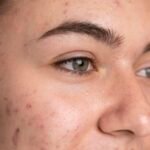

Acne is one of the most common skin concerns, affecting teenagers and adults alike. While pimples may disappear within days or weeks, the marks and scars they leave behind can sometimes remain for months or even years. Many people use the terms pimple marks and acne scars interchangeably, but they are not the same.
Understanding the difference between pimple marks and acne scars is important because each requires a different approach to treatment. While some marks gradually fade with proper skincare, deeper acne scars may need professional dermatological procedures.
Let’s explore how to identify, prevent and treat both conditions.
What Are Pimple Marks?
Pimple marks are flat spots or discolouration that remain on the skin after an acne breakout has healed. They do not usually change the texture of the skin.
These marks commonly appear in two forms:
1. Post-Inflammatory Hyperpigmentation (PIH)
PIH appears as brown, dark brown or black spots. It occurs when inflammation caused by acne triggers excess melanin production in the affected area. It is particularly noticeable in people with darker skin tones.
2. Post-Inflammatory Erythema (PIE)
PIE appears as pink, red or purplish marks after a pimple heals. These marks are caused by changes in small blood vessels associated with inflammation.
Pimple marks are generally temporary, although they can take several months or longer to fade.
What Are Acne Scars?
Acne scars are permanent or long-lasting changes in the skin’s texture that develop when inflammation damages the deeper layers of the skin.
Unlike ordinary pimple marks, acne scars create visible depressions or raised areas on the skin.
There are several types of acne scars:
1. Ice Pick Scars
These are small, narrow and deep holes in the skin. They often resemble tiny puncture marks and can be difficult to treat.
2. Boxcar Scars
Boxcar scars are broad depressions with clearly defined edges. They may appear round or oval and are commonly found on the cheeks and temples.
3. Rolling Scars
Rolling scars create an uneven, wavy appearance on the skin. They develop when fibrous tissue beneath the skin pulls the surface downward.
4. Hypertrophic and Keloid Scars
These are raised scars caused by excess collagen production during healing. They may appear as firm bumps and are more common on the chest, shoulders, jawline and back.
Pimple Marks vs Acne Scars: Key Differences
Although both develop after acne, their appearance and treatment options are different.
Appearance: Pimple marks usually appear as flat red, pink or brown spots, while acne scars create raised or depressed areas.
Skin texture: Pimple marks generally do not affect skin texture. Acne scars cause visible changes in skin texture.
Causes: Pimple marks result mainly from inflammation and changes in pigmentation or blood vessels. Acne scars develop when deeper skin tissue is damaged during the healing process.
Duration: Pimple marks often fade gradually, while acne scars may remain for years or require treatment.
Treatment: Pimple marks may improve with topical skincare products, whereas acne scars often require professional procedures.
What Causes Pimple Marks and Acne Scars?
Several factors can increase the likelihood of developing marks and scars after acne.
1. Picking or Squeezing Pimples
Squeezing, scratching or picking pimples can increase inflammation and damage the surrounding skin, raising the risk of dark marks and scarring.
2. Severe or Deep Acne
Inflammatory acne, including painful nodules and cysts, is more likely to cause permanent scarring than mild acne.
3. Delayed Acne Treatment
Leaving persistent inflammatory acne untreated can increase the risk of long-term skin damage.
4. Excessive Sun Exposure
Sun exposure can make dark acne marks more noticeable and prolong their appearance.
5. Individual Skin Healing
Genetics, skin type and individual healing responses can influence whether someone develops dark marks, depressed scars or raised scars.
How to Treat Pimple Marks
Most flat pimple marks can gradually improve with consistent skincare. The following ingredients may help:
1. Vitamin C
Vitamin C is an antioxidant that can help improve uneven skin tone and reduce the appearance of dark spots. It also supports protection against environmental damage when used alongside sunscreen.
2. Niacinamide
Niacinamide helps support the skin barrier and may reduce the appearance of uneven pigmentation. It is often suitable for people with oily or combination skin.
3. Retinoids
Retinoids, including retinol, can help improve skin cell turnover and reduce acne breakouts. They may also gradually improve post-acne pigmentation. Start with a low strength and introduce them slowly to reduce irritation.
4. Azelaic Acid
Azelaic acid can help manage acne, inflammation and post-inflammatory hyperpigmentation. It may be particularly useful for people dealing with both active acne and dark spots.
5. Sunscreen
Daily broad-spectrum sunscreen with SPF 30 or higher is essential. Sun exposure can darken existing marks, so sunscreen helps prevent further pigmentation and supports the results of other treatments.
How to Treat Acne Scars
Unlike flat pimple marks, deeper acne scars usually do not disappear with ordinary creams or face washes. Dermatologists may recommend professional treatments depending on the type and severity of scarring.
Common options include:
1. Microneedling
Microneedling uses tiny needles to create controlled micro-injuries in the skin. This stimulates collagen production and may improve the appearance of certain depressed acne scars.
2. Chemical Peels
Chemical peels use specific acids to remove damaged outer skin layers and improve skin texture and pigmentation. The type and strength of the peel should be selected by a dermatologist.
3. Laser Treatments
Certain laser treatments can improve acne scars by stimulating collagen production or resurfacing damaged skin. The best option depends on the scar type and skin tone.
4. Subcision
Subcision is a procedure in which a dermatologist uses a specialised needle to release fibrous bands pulling the skin downward. It is commonly used for rolling acne scars.
5. Dermal Fillers
Some depressed scars can be temporarily improved using dermal fillers that add volume beneath the skin.
6. TCA CROSS
This specialised treatment uses a high-concentration trichloroacetic acid application to target certain deep, narrow acne scars, particularly ice pick scars.
Not every treatment works for every scar. A dermatologist can recommend an appropriate combination based on the skin’s condition.
How to Prevent Pimple Marks and Acne Scars
Prevention is often easier than treating established scars. A few simple habits can help protect your skin.
Avoid squeezing, scratching or picking pimples.
Treat acne early, especially painful or deep breakouts.
Cleanse your face gently twice a day.
Use non-comedogenic moisturisers and sunscreen.
Avoid harsh scrubs and excessive exfoliation.
Introduce active skincare ingredients gradually.
Maintain a consistent skincare routine.
Consult a dermatologist if acne is severe, painful or repeatedly leaves scars.
When Should You Consult a Dermatologist?
Consider visiting a dermatologist if you experience painful or deep acne, recurring breakouts, rapidly developing scars or persistent pigmentation that does not improve.
Professional guidance is particularly important if you have raised scars or deep depressions, as these usually need targeted treatment.
Avoid trying strong chemical peels, high-strength acids or aggressive home remedies without professional advice. They may irritate the skin and worsen pigmentation, particularly in darker skin tones.
Pimple marks and acne scars may look similar at first, but they are different skin concerns. Pimple marks mainly affect skin colour and often fade over time, while acne scars change the skin’s texture and may require professional treatment.
The best approach is to prevent acne from becoming severe, avoid picking pimples and maintain a gentle, consistent skincare routine. With the right treatment and patience, many people can achieve healthier-looking, smoother and more even-toned skin.
Image Credits : Image from Freepik
Other Articles

Hair Loss After Pregnancy: Causes, Recovery and Haircare Tips
Kidney Health: Everyday Habits That Help Protect Your Kidneys