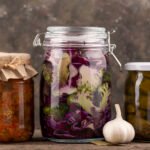

Food preservation has been an essential part of human life for thousands of years. Before refrigerators, freezers, and modern food packaging became common, people developed ingenious ways to keep food fresh and prevent it from spoiling. From sun-drying vegetables to fermenting milk and preserving mangoes in oil, traditional food preservation techniques helped families store seasonal ingredients and enjoy them throughout the year.
Today, despite advances in food technology, many of these traditional methods remain popular. They offer practical ways to reduce food waste, preserve seasonal flavours, and maintain culinary traditions. Some methods can also produce distinctive flavours and textures that modern preservation techniques cannot easily replicate.
Let’s explore some traditional food preservation techniques that continue to be useful in modern kitchens.
1. Sun-Drying: One of the Oldest Preservation Methods
Sun-drying is one of the simplest and oldest ways to preserve food. It involves removing moisture from food by exposing it to sunlight and moving air. Since many microorganisms need sufficient moisture to grow, drying can help prevent spoilage.
In India, sun-drying is commonly used to preserve chillies, papad, vadams, dried fish, and certain vegetables. Fruits such as mangoes, bananas, and grapes can also be dried to extend their shelf life.
For example, families in South India often prepare rice-based vadams and vegetable-based fryums during sunny weather. Once thoroughly dried, these foods can be stored and cooked when needed.
Benefits of sun-drying:
Helps extend the storage life of suitable foods.
Reduces food waste by preserving seasonal produce.
Requires little specialised equipment.
Creates convenient ingredients for later use.
Safety tip: Drying food outdoors requires protection from insects, dust, animals, and unexpected moisture. Use suitable drying equipment and reliable food-safety guidance, particularly for meat and fish. Drying alone does not make every food safe for long-term storage.
2. Salting: Preserving Food with Salt
Salt has been used for centuries to preserve meat, fish, and vegetables. It helps draw moisture out of food and creates conditions that inhibit the growth of many spoilage microorganisms.
In coastal regions of India, salted fish is a traditional food preparation method. Salt is also an important ingredient in certain pickles and preserved vegetables.
When used correctly, salting can help preserve food while enhancing its flavour. However, the effectiveness of this method depends on the food, salt concentration, preparation process, and storage conditions.
Benefits of salting:
Helps preserve certain foods for longer periods.
Adds flavour and changes texture.
Requires relatively simple ingredients.
Supports traditional food preparation practices.
Safety tip: Do not assume that adding salt makes any food shelf-stable. Follow a tested recipe with the correct salt concentration and storage instructions. Salt-preserved foods may also contain high levels of sodium, so portion size matters.
3. Pickling: Preserving Food with Acidity, Salt, and Oil
Pickling is a popular food preservation technique used in many cultures. It involves preserving suitable foods in an acidic solution, a controlled salt-based fermentation process, or another validated preparation method.
Indian cuisine has a rich tradition of pickling. Mango, lemon, amla, green chilli, and mixed vegetables are commonly used to make different varieties of pickles.
Traditional Indian pickles often combine ingredients such as salt, spices, oil, and an acidic ingredient. The precise preservation process varies between recipes.
Pickles are valued not only for their longer storage life but also for their distinctive flavours. A small serving can add a tangy, spicy taste to rice, curd rice, chapati, or other everyday meals.
Benefits of pickling:
Helps preserve seasonal fruits and vegetables.
Creates distinctive flavours and textures.
Reduces waste when produce is abundant.
Provides a way to maintain regional culinary traditions.
Safety tip: Oil alone does not safely preserve vegetables or garlic. Use tested recipes with appropriate acidity, salt levels, preparation methods, and storage conditions. Do not assume homemade pickles are shelf-stable unless the recipe has been validated for room-temperature storage.
4. Fermentation: Preserving Food Through Beneficial Microorganisms
Fermentation is a traditional technique in which microorganisms transform food components under controlled conditions. Depending on the food and process, fermentation can improve flavour, alter texture, and help preserve the finished product.
Many familiar Indian foods rely on fermentation. Idli and dosa batter, curd, and certain traditional fermented foods are everyday examples.
During fermentation, selected microorganisms produce substances such as lactic acid, which can lower acidity and help inhibit some harmful or spoilage microorganisms.
Fermented foods are appreciated for their distinctive flavours and their role in traditional diets. However, not every fermented food contains live microorganisms when eaten, particularly if it has been cooked or heat-treated.
Benefits of fermentation:
Develops complex flavours and textures.
Can help preserve suitable foods when properly controlled.
Supports traditional cooking practices.
May improve the digestibility or availability of certain nutrients, depending on the food and process.
Safety tip: Use reliable fermentation instructions, clean equipment, and the correct ingredients and temperatures. Uncontrolled fermentation can allow harmful microorganisms to grow. Never taste a food to determine whether a questionable batch is safe.
5. Smoking: Adding Flavour While Preserving Food
Smoking is a traditional method used to preserve certain foods, particularly fish and meat. It exposes food to smoke produced by burning suitable wood or other approved materials.
Depending on the technique, smoking may contribute antimicrobial compounds, reduce moisture, and create a distinctive smoky flavour. Traditional smoking practices are found in many parts of the world, including several regions of India.
There are two broad approaches: cold smoking and hot smoking. Cold smoking generally adds smoke flavour without fully cooking the food, while hot smoking combines smoking with heat.
Smoking does not always make food safe for storage at room temperature. Its effectiveness depends on factors such as temperature, moisture, processing time, and subsequent handling.
Benefits of smoking:
Produces a distinctive flavour.
Can contribute to preservation when combined with appropriate controls.
Helps maintain traditional food preparation methods.
Offers variety in the preparation of certain meats and fish.
Safety tip: Smoking food at home requires appropriate temperature control and food-safety practices. Cold-smoked fish and meat may need additional processing or refrigeration. Avoid excessive exposure to smoke, which can introduce undesirable compounds into food.
6. Sugaring: Preserving Fruits with Sugar
Sugar has long been used to preserve fruits in the form of jams, jellies, syrups, and preserves.
When present in sufficiently high concentrations, sugar reduces the amount of water available for microorganisms to grow. Heating and acidity can provide additional preservation effects in properly prepared products.
In Indian households, sugar-based preservation is used to make fruit jams, murabba, fruit preserves, and certain traditional sweets.
For example, amla murabba is a traditional preparation in which amla is preserved in a sweet syrup. Fruit jams are another familiar example of this technique.
Benefits of sugaring:
Helps preserve suitable fruits.
Makes seasonal produce available beyond its harvest period.
Creates versatile spreads and dessert ingredients.
Reduces waste when prepared with surplus fruit.
Safety tip: Reducing the sugar in a traditional jam recipe can affect its preservation properties. Use a tested recipe, particularly for products intended for storage outside the refrigerator. Refrigerate or freeze homemade fruit preparations when their preservation method has not been validated.
7. Refrigeration and Cool Storage: Traditional Principles with Modern Benefits
Although refrigeration is a modern household technology, storing food in cool places is an old preservation principle.
Before electric refrigerators became widespread, people used cellars, shaded rooms, clay pots, and other locally appropriate methods to keep certain foods cooler. Evaporative cooling, including the use of damp materials around containers, can also help lower temperatures under suitable conditions.
Today, refrigeration provides a more reliable way to slow the growth of many microorganisms and extend the storage life of perishable foods.
Some fruits and vegetables also benefit from cool, dry, well-ventilated storage rather than refrigeration, depending on their characteristics.
Benefits of proper cool storage:
Slows the growth of many spoilage microorganisms.
Helps maintain the quality of perishable foods.
Makes it easier to store leftovers safely.
Reduces waste when food is stored under suitable conditions.
Safety tip: Refrigerate perishable foods promptly and keep the refrigerator at or below 4°C. Refrigeration slows microbial growth but does not stop it completely. Follow recommended storage times and discard food that has been held under unsafe conditions.
8. Storing Grains and Pulses Properly
Drying and careful storage have played an important role in preserving rice, wheat, millets, lentils, and other staple foods.
In traditional Indian households, grains were often dried thoroughly before being stored in containers or dedicated storage spaces. Properly dried grains are less likely to support microbial growth than damp grains.
Today, airtight food-grade containers can help protect dry ingredients from moisture and many household pests.
Benefits of proper grain storage:
Helps maintain the quality of staple foods.
Reduces losses caused by moisture and pests.
Makes bulk purchasing more practical.
Helps households manage food supplies efficiently.
Safety tip: Store grains in clean, dry containers and check them regularly for insects, moisture, and unusual odours. Discard grains that show signs of mould. Cooking mouldy grains does not reliably make them safe.
Why Traditional Food Preservation Still Matters Today
Traditional food preservation is more than a way to extend shelf life. It reflects the relationship between food, climate, culture, and local resources.
Reduces Food Waste
Preserving seasonal fruits, vegetables, and other ingredients allows households to use surplus produce rather than throwing it away. Drying, freezing, and suitable pickling methods can be particularly useful when food is available in large quantities.
Saves Money
Buying seasonal produce and preserving it for later use can reduce food expenses. However, the savings depend on ingredient prices, preparation costs, storage requirements, and the amount of food actually used.
Preserves Culinary Traditions
Traditional recipes often carry family histories and regional identities. Homemade pickles, dried vegetables, fermented batters, and fruit preserves help keep these food traditions alive.
Encourages Seasonal Eating
Preservation allows people to enjoy certain seasonal ingredients beyond their natural harvest period. It also encourages a better understanding of how foods change with time, temperature, and preparation.
Offers Variety in Everyday Meals
Preserved foods can add different flavours and textures to everyday cooking. A spoonful of pickle, a serving of curd, or dried seasonal vegetables can bring variety to a familiar meal.
Traditional vs Modern Food Preservation
Traditional and modern preservation methods serve the same broad purpose, but they differ in their techniques and level of control.
Traditional methods often rely on sunlight, salt, acidity, sugar, fermentation, or smoke. They can be inexpensive and culturally significant, but their results may vary with weather, ingredients, hygiene, and preparation.
Modern methods include refrigeration, freezing, pasteurisation, canning, and specialised packaging. These techniques can offer greater consistency and convenience, although each requires appropriate equipment and handling.
Neither approach is automatically better in every situation. The best method depends on the food, the intended storage period, available resources, and the safety requirements of the preservation process.
Traditional food preservation techniques remain relevant because they help people reduce waste, make use of seasonal ingredients, and maintain valuable culinary traditions.
From sun-drying and salting to fermentation and fruit preservation, these methods demonstrate how generations developed practical ways to manage food supplies before modern technology became widely available.
However, traditional does not always mean safe. Successful preservation depends on using the correct method, maintaining hygiene, and following reliable food-safety instructions.
By combining traditional knowledge with modern food-safety practices, households can preserve suitable foods more confidently and make better use of the ingredients they buy.
Image Credits : Image from Freepik
Other Articles

Kidney Health: Everyday Habits That Help Protect Your Kidneys
Korean Fashion Trends: Why Indian Women Love Korean-Inspired Outfits