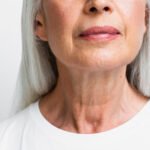

Just like our skin, our hair changes as we age. Hair that was once thick, shiny and naturally strong may gradually become thinner, drier, weaker or more difficult to manage. Some people notice increased hair fall, while others experience changes in texture, reduced volume or the appearance of grey strands. These changes are a natural part of ageing, but understanding why they happen can help us take better care of our hair.
Hair ageing is influenced by several factors, including genetics, hormonal changes, reduced pigment production, lifestyle habits and environmental exposure. Although we cannot completely stop the ageing process, the right haircare routine and healthy habits can help maintain stronger, healthier-looking hair.
1. Why Does Hair Change as We Age?
Hair follicles gradually undergo changes as we grow older. The hair growth cycle may become shorter, and some follicles produce thinner strands than before. The scalp may also experience changes that affect the quality and density of hair.
Hormonal fluctuations, nutritional deficiencies, stress and genetics can further influence these changes. As a result, hair may lose its natural thickness, become more fragile and take longer to grow.
2. Hair Becomes Thinner and Loses Volume
One of the most noticeable signs of hair ageing is reduced hair density. Individual hair strands may become finer, and some follicles may stop producing visible hair.
This can make the scalp more noticeable, particularly around the crown, temples and hairline. In men, age-related pattern hair loss is often associated with genetic sensitivity to androgens. Women may experience gradual thinning, especially around the central parting, particularly after menopause.
However, sudden or excessive hair loss should not automatically be considered a normal sign of ageing. It may be linked to thyroid problems, iron deficiency, illness or other treatable conditions.
3. Hair Texture Becomes Dry and Rough
As people age, their hair may become drier, rougher and less manageable. Changes in scalp oil production can reduce the natural lubrication that keeps hair soft and smooth.
Older hair may also become more vulnerable to breakage because of years of exposure to heat styling, colouring, chemical treatments and environmental damage.
Using a gentle shampoo, a nourishing conditioner and a moisturising hair mask occasionally can help improve softness and manageability.
4. Grey Hair Becomes More Noticeable
Greying is one of the most familiar signs of hair ageing. Hair gets its natural colour from a pigment called melanin, which is produced by specialised cells in hair follicles.
As we age, these pigment-producing cells gradually become less active or disappear. New hair then grows with less pigment, eventually appearing grey or white.
Genetics plays a major role in determining when someone starts getting grey hair. Smoking, certain health conditions and nutritional deficiencies may also contribute to premature greying. However, there is currently no proven haircare product that can reliably reverse normal age-related greying.
5. Hormonal Changes Affect Hair Growth
Hormones have an important influence on hair growth and density. Changes in hormone levels during menopause, ageing and other life stages can affect the hair growth cycle.
Women may notice increased thinning around menopause, while men may experience gradual hairline recession or thinning at the crown.
These changes are not identical for everyone. Genetics, overall health and individual hormonal sensitivity all play a role.
6. The Hair Growth Cycle Changes With Age
Hair naturally passes through three main stages: the growth phase, the transition phase and the resting phase. This process is known as the hair growth cycle.
With ageing, the growth phase may become shorter in some follicles. This can result in shorter, finer strands and reduced overall hair volume.
The resting and shedding phases may also change, making hair appear less dense over time.
7. How to Take Care of Ageing Hair
Although ageing cannot be stopped, a few simple habits can help protect hair from unnecessary damage.
Choose gentle shampoos: Use a mild shampoo suited to your scalp type. Avoid excessive washing if it leaves your hair dry.
Condition regularly: Apply conditioner to the lengths and ends to improve softness and reduce tangling.
Limit heat styling: Frequent use of straighteners, curling irons and hot blow dryers can increase dryness and breakage.
Avoid tight hairstyles: Repeatedly pulling hair into tight ponytails or buns can contribute to traction-related hair loss.
Protect hair from the sun: Wear a hat or use suitable hair protection when spending long periods outdoors.
Massage gently: A gentle scalp massage can be relaxing, although it is not a proven treatment for hair regrowth.
Avoid harsh chemical treatments: Frequent bleaching, colouring and chemical straightening can weaken already fragile hair.
8. Nutrition Matters for Healthy Hair
Hair health is also connected to overall nutrition. Hair follicles need adequate protein, iron, zinc, vitamin B12, vitamin D and other nutrients to function properly.
Include a balanced diet containing eggs, fish, lentils, nuts, seeds, leafy vegetables, fruits and dairy products or suitable alternatives.
Avoid taking hair-growth supplements without understanding whether you actually have a deficiency. Excessive intake of certain vitamins and minerals can sometimes worsen hair loss or cause other health problems.
9. When Should You Be Concerned About Hair Loss?
Gradual changes in hair texture and density can be part of ageing, but certain symptoms deserve medical attention.
Consult a dermatologist if you notice sudden heavy shedding, bald patches, a rapidly widening parting, scalp itching or pain, or hair loss accompanied by other unexplained symptoms.
A doctor may recommend blood tests or a scalp examination to identify possible causes such as iron deficiency, thyroid disorders or pattern hair loss. Early diagnosis can help identify suitable treatment options.
Hair ageing is a natural process influenced by genetics, hormones, nutritional health and environmental exposure. Thinner strands, reduced volume, dryness and grey hair are some of the common changes people experience as they grow older.
While no routine can completely prevent hair ageing, gentle haircare, balanced nutrition and healthy lifestyle habits can help maintain hair strength and appearance. Most importantly, significant or sudden hair loss should not simply be dismissed as ageing, as some causes are treatable. Taking care of your scalp and hair at every stage of life can make a meaningful difference to long-term hair health.
Image Credits : Image from Freepik
Other Articles

NEAT Fitness: How Everyday Activities Can Help Increase Calorie Burn
Tech Neck: How to Prevent and Manage Fine Lines on the Neck