


Finding time to exercise can be challenging when you’re balancing work, family, and daily responsibilities. Fortunately, you don’t need to spend hours in the gym to stay fit. A well-designed full-body workout can improve strength, cardiovascular fitness, flexibility, and overall health in as little as 30 to 45 minutes.
Whether you’re a beginner or looking for an efficient way to stay active, a full-body workout is one of the most effective ways to maximize your fitness results while fitting exercise into a busy schedule.
Why Choose a Full-Body Workout?
A full-body workout targets multiple major muscle groups in a single session. Instead of focusing on just one body part, these workouts engage your legs, chest, back, shoulders, arms, and core together.
Benefits include:
- Saves time by training the entire body in one session.
- Burns more calories by involving multiple muscle groups.
- Improves overall strength and endurance.
- Supports better posture and balance.
- Increases functional fitness for everyday activities.
- Allows more recovery days between workouts.
For many people, three to four full-body sessions per week are enough to build strength and maintain good fitness.
Warm Up Before You Begin
A proper warm-up prepares your muscles and joints for exercise while reducing the risk of injury.
Spend 5 to 10 minutes doing:
- Brisk walking or light jogging
- Jumping jacks
- Arm circles
- Leg swings
- Bodyweight squats
- Dynamic stretches
Your goal is to gradually increase your heart rate and improve mobility before the workout begins.
The Ultimate Full-Body Workout
Perform the following exercises in order. Choose a weight that allows you to complete each set with proper form.
1. Squats
Squats strengthen the lower body and improve balance.
Muscles worked:
- Quadriceps
- Hamstrings
- Glutes
- Core
Perform:
- 3 sets of 10–15 repetitions
2. Push-Ups
Push-ups are one of the best upper-body bodyweight exercises.
Muscles worked:
- Chest
- Shoulders
- Triceps
- Core
Perform:
- 3 sets of 8–15 repetitions
Modify by doing incline or knee push-ups if needed.
3. Bent-Over Rows
Rows strengthen your back and improve posture.
Muscles worked:
- Upper back
- Lats
- Biceps
Perform:
- 3 sets of 10–12 repetitions
Use dumbbells, resistance bands, or a barbell.
4. Walking Lunges
Walking lunges improve balance, coordination, and leg strength.
Muscles worked:
- Glutes
- Quadriceps
- Hamstrings
- Calves
Perform:
- 10–12 steps per leg
- 3 rounds
5. Shoulder Press
This exercise develops upper-body strength.
Muscles worked:
- Shoulders
- Triceps
- Upper chest
Perform:
- 3 sets of 10–12 repetitions
Use dumbbells or resistance bands.
6. Plank
Planks build core stability and improve posture.
Muscles worked:
- Abdominals
- Lower back
- Shoulders
- Glutes
Hold for:
- 30–60 seconds
- Repeat 3 times
7. Glute Bridge
Glute bridges strengthen the hips and lower back.
Muscles worked:
- Glutes
- Hamstrings
- Core
Perform:
- 3 sets of 12–15 repetitions
Pause briefly at the top of each repetition for better muscle activation.
Add a Cardio Finisher
If time allows, finish your workout with 5 to 10 minutes of moderate to vigorous cardio.
Options include:
- Brisk walking
- Cycling
- Jump rope
- Rowing
- Stair climbing
- Jogging
This can improve cardiovascular fitness and increase calorie expenditure.
Weekly Workout Schedule
A simple weekly plan could look like this:
- Monday: Full-body workout
- Tuesday: Walking, stretching, or yoga
- Wednesday: Full-body workout
- Thursday: Active recovery or mobility exercises
- Friday: Full-body workout
- Saturday: Light cardio or recreational activity
- Sunday: Rest and recovery
Adjust the schedule based on your fitness level, goals, and recovery needs.
Tips for Better Results
To make the most of your workouts:
- Focus on proper exercise technique.
- Increase weights or repetitions gradually as you get stronger.
- Rest for 60 to 90 seconds between sets.
- Stay hydrated throughout your workout.
- Eat a balanced diet with enough protein to support muscle recovery.
- Get 7–9 hours of quality sleep each night.
- Stay consistent rather than aiming for perfection.
Small improvements over time lead to lasting results.
Common Mistakes to Avoid
Many people slow their progress by making avoidable mistakes.
Try not to:
- Skip your warm-up.
- Use poor exercise form.
- Lift weights that are too heavy too soon.
- Ignore rest and recovery.
- Train every day without allowing muscles to recover.
- Compare your progress to others.
Building fitness is a long-term process, and consistency matters more than intensity.
Can Beginners Do This Workout?
Yes. Beginners can start with:
- One or two sets instead of three.
- Bodyweight exercises before adding resistance.
- Longer rest periods if needed.
- Lighter weights while learning proper form.
As your fitness improves, gradually increase the intensity.
When to Seek Professional Guidance
If you’re new to exercise, have a medical condition, or are recovering from an injury, consult a healthcare professional before starting a new fitness program. A certified fitness trainer can also help ensure you’re using proper technique and progressing safely.
A full-body workout is one of the most efficient ways to stay fit when time is limited. By combining compound exercises that work multiple muscle groups, you can build strength, improve endurance, and support overall health without spending hours at the gym.
Remember that the best workout is one you can maintain consistently. Even three well-planned full-body sessions each week, combined with healthy nutrition, adequate sleep, and regular movement, can lead to meaningful improvements in your fitness and well-being over time.
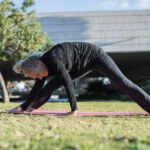
Image credits : Image by prostooleh from Freepik

Other Articles

Travel Scams to Watch Out for and How to Avoid Them




No Comment! Be the first one.